Jason Martin Reflects on Three Decades of Starflyer 59
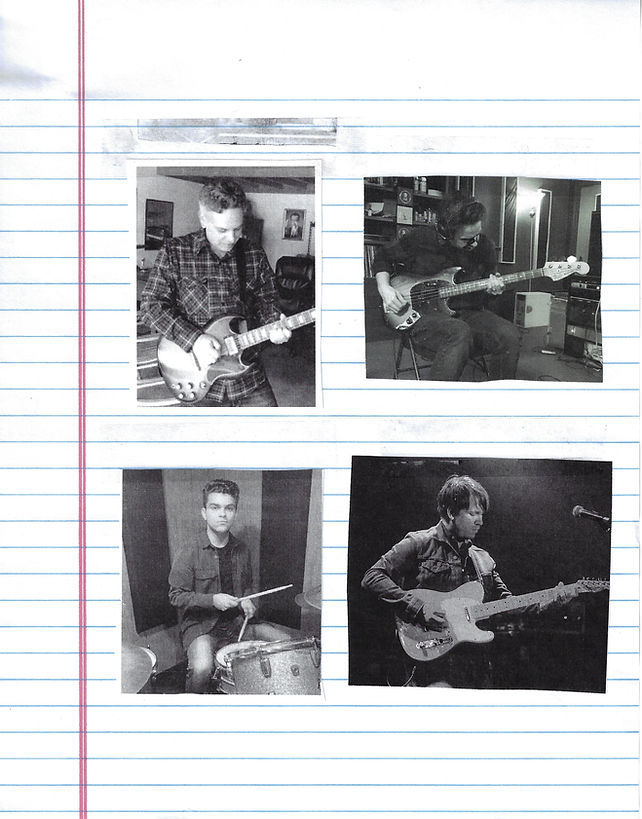
For more than three decades, Starflyer 59 has built one of the most enduring catalogues in American alternative music. Founded in Riverside, California by singer, songwriter, and multi-instrumentalist Jason Martin, the project began in the early 1990s as a hazy outgrowth of the shoegaze movement before gradually transforming into something far broader and harder to categorise.
The band’s beginnings came almost by chance. In 1993, Martin handed a demo to Brandon Ebel at a music festival, leading to a deal with Tooth & Nail Records. Their debut album Silver arrived the following year, introducing a dense, guitar heavy sound that would soon become closely associated with American shoegaze. Its follow up, the 1995 record often referred to simply as Gold, has since become a cult landmark of the genre, even landing at number 41 on Pitchfork’s list of the greatest shoegaze albums of all time.
Yet Starflyer 59 has never stayed in one place for long. By the time Americana arrived in 1997, the band was already shifting toward a more direct rock sound while navigating lineup changes behind the scenes. The following year’s The Fashion Focus, produced by Gene Eugene, marked another turning point, replacing walls of guitars with softer arrangements and prominent keyboards. From there, Martin continued to reshape the project with remarkable consistency. Records like Leave Here a Stranger expanded the band’s sound even further, while the early 2000s saw a prolific run of self produced releases. Personal loss also shaped the music, particularly on Dial M, which was deeply influenced by the passing of Martin’s father.
When Martin stepped in to take over his family’s trucking business in Riverside, touring stopped, but the creative output did not. Over the past decade, Starflyer 59 has continued to release new work at a steady pace, from Young in My Head and Vanity to the more recent Lust for Gold and Déjame Dormir. What began as a shoegaze project has evolved into a lifelong outlet for Martin’s songwriting, one that continues to grow with every release.
We spoke to Martin about the origins of Starflyer 59, the band’s evolution beyond shoegaze, and what continues to inspire him after more than three decades of music.
Growing up in Riverside, California, how did music first enter your life, and when did it shift from something you loved into something you felt you had to make?
Since I was a little kid, there was always music playing in my house and in our van when my mom drove us around. I started off with listening to Christian bands like Kieth Green, Larry Norman, and Daniel Amos. My older brother Ronnie wanted to do a band when we were teenagers. He was into keyboards and he put me in his band playing keyboards. I’ve been doing band stuff ever since.
Before Starflyer 59 existed, what artists or scenes were shaping your ears in the early ‘90’s, and how conscious were those influences when you first started writing songs?
In the late '80s I discovered The Smiths and New Order and it was this that really made me want to start playing guitar and try to write songs. That led to me finding bands like My Bloody Valentine, early bits of Ride, Boo Radley’s, Slowdive, and just wanting to make that kind of music.
Your handing a demo to Brandon Ebel at a festival in 1993 led to the band being signed with Tooth & Nail Records. Looking back, did that moment feel pivotal at the time, or only in hindsight?
That was fantastic. I was shocked someone wanted to put out the music I was trying to make.
Your debut album Silver introduced a sound that would be associated with shoegaze. How intentional was that aesthetic, and what was it like having listeners begin labelling the band that way?
It was very intentional. I was not doing it nearly as well as the bands that I listed to listed above, but it was a starting point for me.
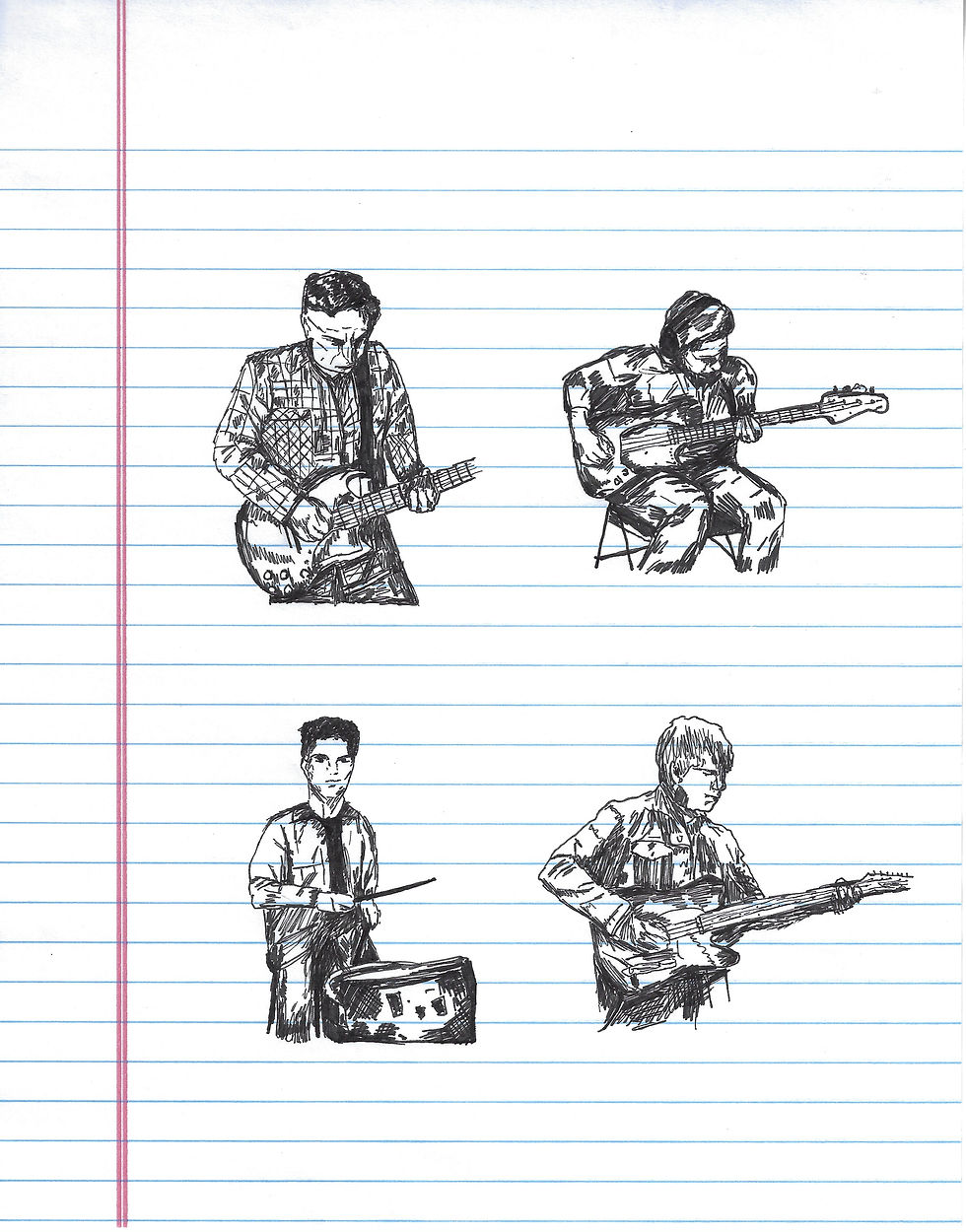
The 1995 album Gold has since been recognised as hugely influential within shoegaze, with Pitchfork Media ranking it one of the best shoegaze albums of all time. When you listen to it now, what stands out to you about where you were creatively and emotionally then?
That’s really cool, I’m glad people like that record. It was a weird time for me when we were making it. I thought, at the time, I was doing some kind of classic rock record with feedback and reverb on it.
I remember finishing it and thinking that I ruined it, and didn’t really listen to it for years because I didn’t like the way it turned out. When I finally went back and listened to it years later it struck me as an odd record – it took on its own life in a way. I would not have thought then that that record would define the band as long as it has, but I’m good with that. I've made my peace with that album.
With Americana in 1997, the band leaned more into rock structured and explicitly religious themes, alongside major lineup changes. How did that period challenge or clarify your sense of what Starflyer 59 was meant to be?
I did not want to make the same ‘mistakes’ as the Gold album, so we had Gene Eugene record and produce it. We wanted more of a live band sound, with songs that were a bit more fleshed out and rehearsed than the first two records.
The Fashion Focus marked another shift, with producer Gene Eugene helping steer the sound towards something softer and more pop-oriented. What did working with him open up for you as a songwriter?
I just thought it was time to shift gears a little bit with the sound. Back in those days in my early twenties, I was writing a lot of songs, and it was no problem to record those 10 or 12 songs. If I didn’t like the way it turned out, I’d just write another batch and another. That is not the case anymore and the process has slowed down for me compared to then. Gene did some great things on that record, and he was very talented.
After Gene Eugene’s passing, you entered a strength of intensely prolific, mostly self-produced records. What was driving that output between 2003 and 2006, and how did working without an external producer change your process?
Gene was a good friend and I loved working with him. I learned a lot watching him for the albums we made together – from where to put mics on the drums, recording guitars, when to let something just be left alone, etc. So, I thought at the time that I’d be ready to record and produce my own records. Looking back, I wish I would have used an external producer more…but those records are a moment in time and for better or worse they are what they are.
Albums like Dial M and The Changing of the Guard were shaped by personal loss and major life changes, including stepping away from touring to take over your father’s trucking business. How did redefining your daily life affect your relationship to making music?
I lost my dad, which messed me up a bit for a while. I had a young family and it just wasn’t a good thing for me to be gone so much. It was time to concentrate on the family business. I stopped touring and just focused on making music and recording other projects.
From the crowdfunded IAMACEO to recent releases, Starflyer 59 has continued evolving. At this stage, what keeps you returning to this project, and what does it still give to you that nothing else does?
Honestly I don’t know. These days when I do a record, I usually think it will be my last. Something about the process of making them usually draws me back in.
Listen to Starflyer 59 on Spotify, SoundCloud, Apple Music and follow them on Instagram.


Comments