The "Goth-Mommy-I-Can-Fix-Her" Complex: We Are Not Your Sex Objects
I think the last person I dated was a bit too into alternative girls, something I didn’t notice until after we broke up. Looking back on some of his comments, I felt like a piece of meat being eyed up by an animal. At one point, he joked about being able to "fix me". I brushed it off at the time, wanting to give him the benefit of the doubt because I thought I was falling in love, but what fixing did I need? By then, he had never seen me upset, I hadn't lashed out or done anything characteristic of needing help. Of course, I did all of those things after he hurt me, but I don't know a single person who wouldn't react to heartbreak in the way I did.
In general, I'm mentally stable, I work several jobs successfully and have ambition, I get good grades and I'm about as self assured as I can be. In fact, I'm so in control of myself and my own emotions, that the only regular therapist I've ever had discharged me after six sessions, because I spent all of our time together solving my problems without her help. But I choose to dye my hair unusual colours, wear an abundance of eyeliner and black clothing and have plenty of tattoo and piercing ideas for the future. I am alternative and I didn't turn to these subcultures for anything other than being drawn to them. Modern social media stereotypes would suggest I am anything but the traits I've listed about myself, and I'm sick of it.
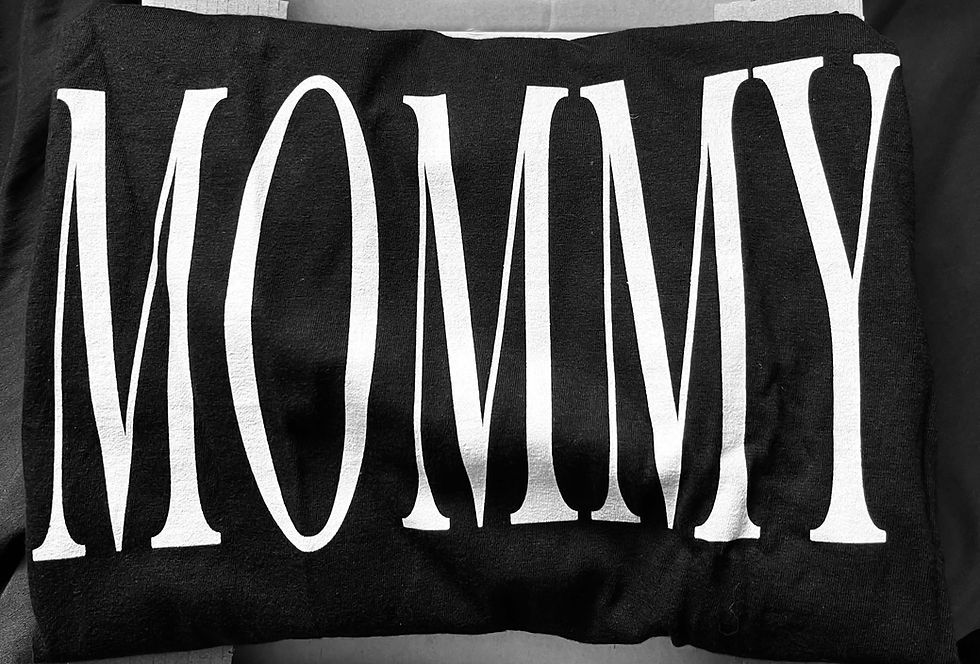
After all was said and done, I told one of my best friends everything I'd omitted about the man I dated, and he (with my permission) told his girlfriend. She drew my attention to conservative gendered power dynamics and though this man claimed not to be conservative, it all made sense. Alternative women have come to be perceived through a BDSM vacuum in which a sexual counterpart - usually a man - assumes a position of power, even if he considers himself to be more submissive, and I have no one else to blame but the people using our aesthetics as a sexualised costume. A small example of their negative impact is the use of the term "Mommy", in sexual contexts without a woman’s consent, which I've both encountered in real life and witnessed becoming a more common occurrence online ever since the term became a buzzword on social media.
Sexual freedom has always been embraced as part of the political stance taken within alternative spheres. Our spaces exist as places where people can feel safe and supported, against societal norms. But because of our generally anti-conformist ideologies and appearances, we've always been at the centre of ridicule and mistreatment. Every time I step out of my house dressed the way I like, I remember how people talk about alternative women. I think about how we get barked at in the street. I think about Sophie Lancaster, the goth woman murdered in 2007 in a brutal ambush by teenage boys. I cover my short skirts, rarely wear fishnets and chokers (despite my deep love for them) and am mindful about not exposing my chest in situations where I am less comfortable. Coming home in the dark, I am aware that wearing all black could put me at risk. And I’m barely alternative looking on some days!
I've had to deal with being objectified since I was one of the first to go through puberty in secondary school, up until the present day, where being alternative is added into the mix. I remember vividly a boy telling me at a party, when I was 16, that it is every guy’s fetish to sleep with a goth girl. This I have never been able to forget. Of course, we’re not individuals with personalities, but rather fantasies to fulfil.
My point can be exemplified further. Scrolling through a comment section for a TikTok account linked to my workplace, which houses many alternative employees, I saw someone post that we were the shop to visit to find a "goth woman who ends up liking you". Though this comment is already menacing at first glance, it also subtly reinforces the submissive trope that has come to be associated with alternative women in the modern age of pornography: that we are brainless enough to be manipulated into liking someone. I can also safely vouch for my colleagues and myself when I say that we turn up to work to, funnily enough, work, not date our customers. Sophie Lancaster also happened to work at another branch of the same shop, a fact I was unaware of until I began researching her case.
Seeing the lead singer of a band I absolutely adore recently make content with the very same women who I feel are contributing to this issue has also upset me. Ice Nine Kills, a metal band from Massachusetts, has spent its last three albums writing songs inspired by books and horror films, and very few of these songs have sexual content. Promoting your music through OnlyFans models, many of whom are disliked by your fans judging by the response to that video, not only isolates your loyal supporters, but normalises the behaviour endorsed by these models. I, for one, do not think it's acceptable to say that simply because you are a woman, you should expect to be sexualised, like one of these women has said in a video. Blanket statements like this will only encourage a future generation of women to lose hope in the fight for equality. There is a difference between being sexually empowered, and feeling that you have nothing else to turn to, because according to some, we’re nothing but sex objects.
Drake wants a "goth baddie with O cups". People are using the term "Mommy" to describe alternative women online, the majority of whom don't even discuss sex, instead of their actual names. A copy and paste version of the 'goth' aesthetic is taking over OnlyFans models and AI bots. And I, for one, am livid.
Alternative women have spent the last several decades being ostracised, bullied and even killed for the way we dress and conduct ourselves. Now, the very aesthetic for which we were once punished has become something to be consumed, fetishised and monetised. The fact that the dynamic has changed drastically bothers me more than I ever thought it would. And though I usually like to end my personal essays on a positive note, I don't have much hope that this is going to change any time soon.
Edited by Sex and Relationships Editor Gloria Giganti


Comments