Ballet, Opera And The Death Of The Sensitive Heartthrob
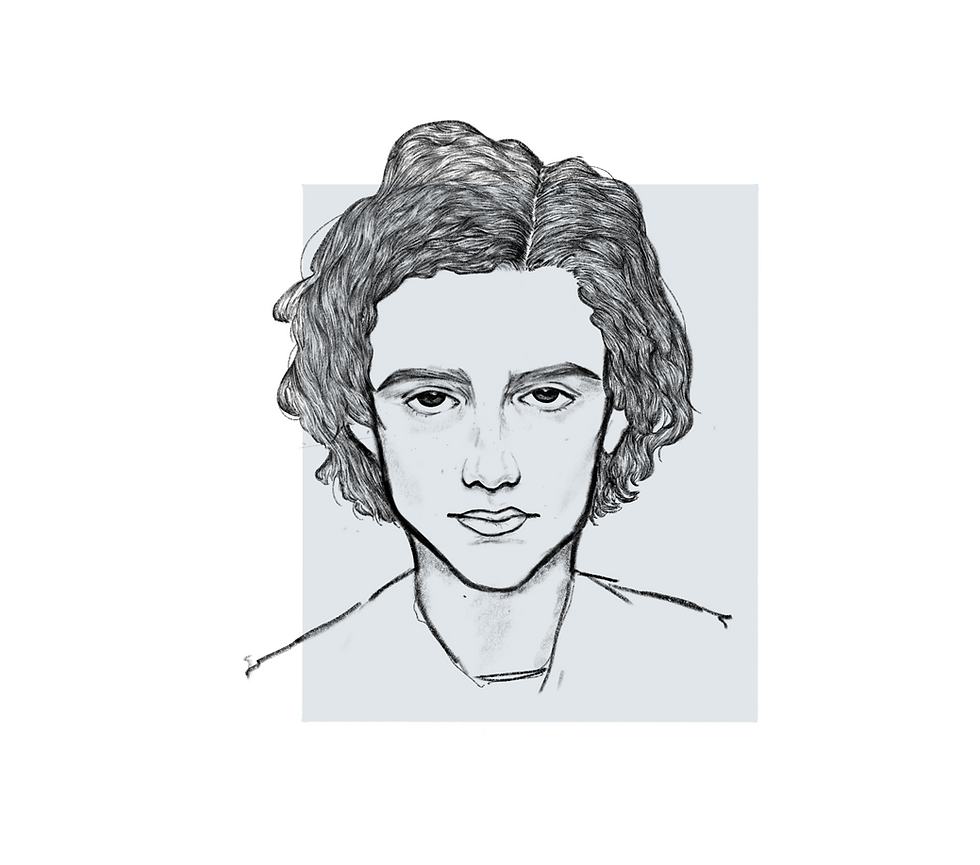
Every woman with a Letterboxd account and an attraction to the opposite sex can tell you precisely where they were when Timothée Chalamet first bewitched them.
Personally, I was in my living room, pretending to revise for my A-level mocks. Greta Gerwig’s Lady Bird (2019) was on the television, muted, and I looked up for two seconds only to forget what it meant to breathe. It’s a terrible truth, but it is my own. There Timothée was, in all his French-American glory. My exams could wait; I had Pinterest boards to curate, all full of his face.
Of course, I already knew of him—he’d been Twitter’s ‘White Boy of the Month’ multiple times over, and Dune (2021) had been released a few months prior. He was everywhere; I just hadn’t yet been cursed with caring. And I’ve never been one to fawn over a man’s anything, especially his looks, but something shifted when I saw him on that screen, and I was hooked. You name it, I watched it. He was talented, which helped. The coup de grâce was that he was incredibly endearing off-screen. Awkward and vaguely asexual, with a digital footprint so ridiculous, so human, he seemed less like a born superstar and more like someone who’d wandered into fame by mistake. A breath of fresh air, if you will. He was everything a repressed teenage girl could possibly want.
That was his niche, whether intentional or not. One cannot reasonably expect to star in films such as Little Women (2019), Bones and All (2022), and Call Me by Your Name (2017) and elude a female fanbase. So, it’s not difficult to understand the recent bout of negativity directed his way. He’s seemingly done a 180 on his image overnight—wearing Chrome Hearts and dating billionaires, a far cry from the esoteric intellectual his fans had imagined him to be. Promotions for Marty Supreme (2025) included an appearance on Druski’s ‘Coulda Been Records’. He has given interviews about how much he loves football, become increasingly upfront about the size of his ego, and recently shared with the world his love of procreation and the concept of fatherhood. Interstellar, he reminds us, was the real beginning of his career.
None of this is criminal, but it’s clear Chalamet is no longer especially interested in appealing to women. Consider your indie darling dead and buried. My days of blind longing ended some time ago—something to do with the development of my frontal lobe—and I have little emotional investment in his current shenanigans.
But then came the ballet and opera controversy.
The initial reaction was overwhelmingly negative, casting Timothée as an artistic antichrist: TikTok edits mourning his old, purer self and think piece after think piece concluding with a mocking jibe at his newest film because, har-har, it’s about ping-pong. A week later, as always, the contrarians arrived—mostly young men, eager to crown their latest prince of disrepute, alongside a smaller group of alleged freethinkers convinced his words contained a latent advocacy for a classless society.
I do not doubt that Timothée Chalamet understands and respects the beauty of both ballet and opera. The initial backlash, then, was somewhat misjudged, even slightly elitist in its own right. But there is a staggering naivety in believing that any multimillionaire celebrity, least of all one who has shown such an aggressive hunger for fame, cares for any pocket but their own. As he put it:
“I don’t want to be working in ballet, or opera, or things where it’s like, ‘Hey, keep this thing alive, even though like no one cares about this anymore’.”
He also followed this up with a cheeky, “I just lost 14 cents in viewership”. His meaning is not especially difficult to discern. I’d love to be team ‘Timothée was trying to say we should protect the accessibility of film’, but the bleak reality is that he has subordinated his craft to the market. If it pays, it lives; if it doesn’t, why bother? That’s fine. Only a little depressing that one of Hollywood’s leading talents seems to value art less for what it is than for what it returns.
And for those inclined to point the finger at who he’s dating, this isn’t exactly a new line of thinking for Timothée Chalamet. Footage from 2019 shows that he has long fretted that film might be a “dying art form”, much like—once again—ballet or opera. But what, exactly, qualifies an art form as ‘dying’? As a former dancer, I can attest that the ballet scene in particular feels as vivacious as ever. Head over to YouTube, where performances garner millions of views, or look at how consistently full venues remain. There is interest. There is demand. There is passion. Sure, there are longstanding problems with economic barriers, but the film industry is hardly renowned for championing the working class.
Why should it matter, or even shock us, that the rich man wants to keep on being rich? Because many of us care about art, and its integrity. It isn’t unreasonable to find this uncomfortable, especially alongside his recent appeal to a male audience. Typically, I’d say it’s strange to demand authenticity from celebrities, but the problem isn’t that Timothée ‘changed’ - it’s that the sensitive, shy-guy persona he built his appeal on was a parasocial construct. The female fanbase he cultivated now feels, at least in part, like nothing more than a stepping stone. Ballet and opera, it should also be said, are disciplines which skew female. There’s a taste in my mouth, and it isn’t a good one.
All is well, however: the Dune: Part Three trailer has dropped, and clips of Timothée looking beautifully crestfallen following his Oscar loss have made the rounds. Good for him. I just can’t help but think of individuals like Cynthia Erivo and Ariana Grande, who are afforded no such grace for similar crimes of the parasocial variety. Their relationship was clearly utilised as a marketing tool for the Wicked films, and the public’s unfavourable response to it has hardly faded. Erivo, in particular, continues to be the subject of ‘memes’ that lean heavily into racist stereotypes. A quick Google search of her name returns suggestions like, ‘Why is Cynthia Erivo always touching Ariana Grande?’ Open the comment section on any video she appears in and you’ll find a belligerent conviction in her supposed natural unlikability.
Put Cynthia Erivo next to Timothée Chalamet and the difference is obvious. One gets a rebrand. The other gets a reputation.
I’m not saying parasociality is new—see Clara Bow or Marilyn Monroe. In the age of social media, however, it has become something the film industry increasingly exploits. Encouraging intimacy between audience and star is an easy way to build a blockbuster hit, but when it backfires, the consequences are far from even. People of colour, queer individuals, and women are held to higher standards and sustain more damage. And if we really want to make sure cinema doesn’t die, as Chalamet seems to so strongly fear, I’d say a good place to start is recognising and protecting the marginalised people whose labour has long defined it.
Edited by Hannah Tang, Co-Editor of Film & TV


Comments