The Sapphic Scene: Long Story Short
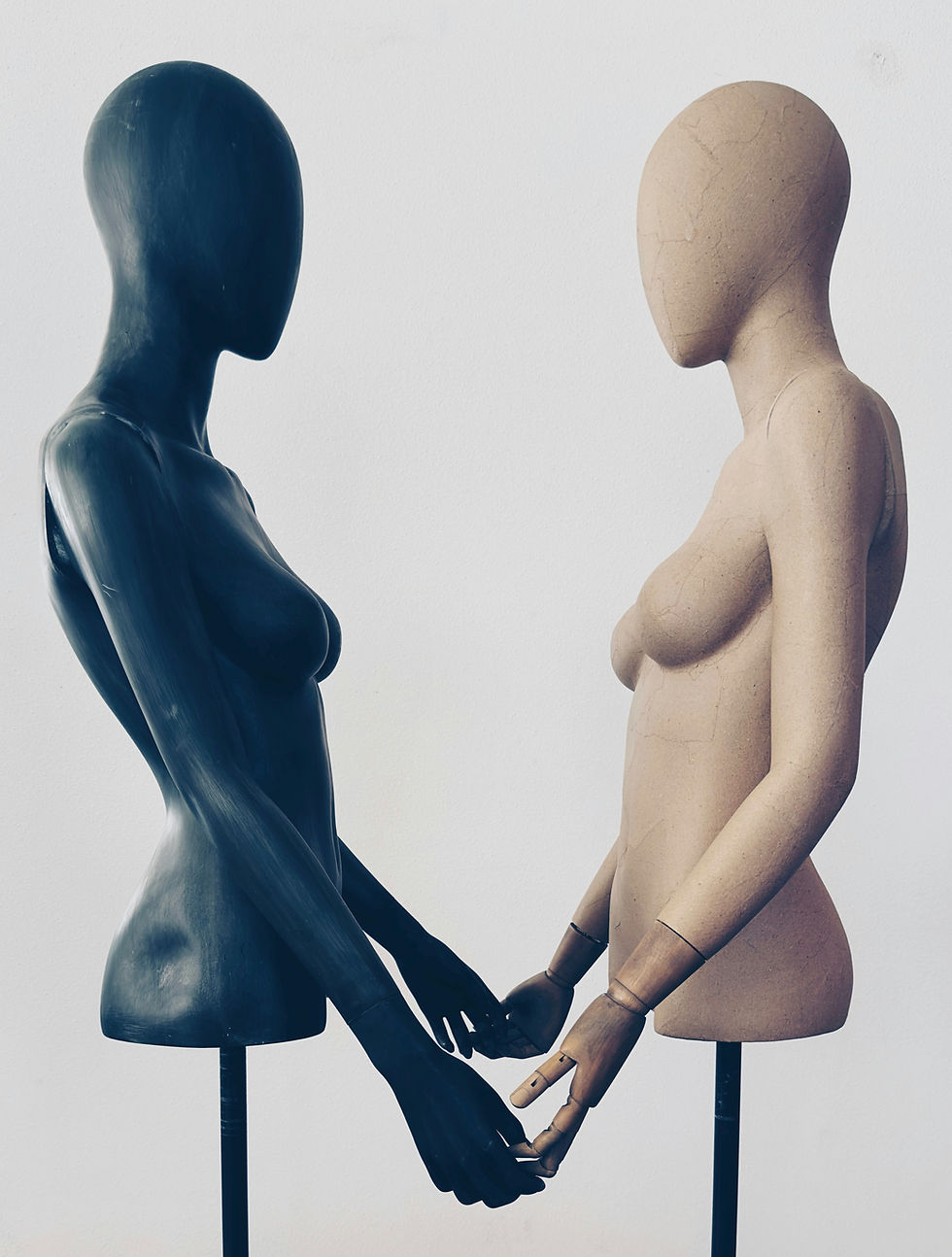
The concept of love is regularly up for debate, with everyone having something to contribute to its discourse. Everyone seems to have their own perception of this phenomenon, having witnessed it from their youth. It seems fair then, that my assessment of love is that it is brave, vulnerable and a submission of the ego. To others, perhaps to you, love isn’t any of those things. Maybe it is imprudent, delicate and frightening. What is fascinating about this concept is its subjectivity - able to encompass all said things, but also able to reject and regroup as another.
Many of us look for love and relationships in the media we consume. For example, in Film and Tv there is a “romance” genre - encompassing and reflecting how we conceptualise these human matters. As times change and attitudes become more open and accepting, the sapphic tag in Film and Tv seems to have increased; not by much, but more than it had in the past. However, Netflix and other subscription sites tend to cancel specifically LGBTQIA+ shows, making any sapphic representation feel like a diamond in the rough.
So when Raphael Bob-Waksberg, critically acclaimed writer and producer of Bojack Horseman (2014-2020), has his name attached to a project, there should be no hesitation in watching it. His latest adult animation, Long Story Short (2025), follows the lives of Shira and Kendra Hooper-Shwooper, who, in Kendra’s words, are ‘a lesbian couple with biracial Jewish sons.’ Their family life is depicted on screen, navigating the complexities of having children, raising them and maintaining a healthy relationship with each other.
‘We're impressive enough.’
I must agree with Kendra - they are impressive. In all the movies and TV shows I have consumed, never have I witnessed a lesbian couple with children. For centuries, heterosexuality has been the norm, the standard, and the nuclear family has followed suit - influencing who we “allow” people to love. This ideology has impacted the Film and Tv industry, as they produce and develop content that mimics social culture - hence, seeing Kendra and Shira, a WLW (woman-loving-woman) couple, discuss their children’s education, I felt relief and excitement for the sapphic representation.
Furthermore, the show’s discussions surrounding conception felt inclusive. In episode 2, Shira asks her brother, Avi, if he would like to be the sperm donor for her future children. This scene brought a lot up for me - reminding me of the biases even I held as a gay person. For so long, I found myself reverting to the heteronormative idea that a child needs a mother and a father in order to be raised well. But instead, Shira and Kendra’s relationship and the conversations they have regarding starting and having a family reminded me that as queer people, we can have such joy in our lives; it is a collective possibility for us all, and that in doing so, we should not have to face judgment for it. In this sense, Shira and Kendra go beyond representation. They show me – teach me – to love my own identity. To be comfortable in it, to appreciate it.
Moreover, we see that they are just like any other couple, despite their differences. Shira, in particular, pushed me to my wits’ end. She sets her mind on a goal – making a dish for a potluck – and abandons her duties as a mother and wife to do so. She makes a mess in the kitchen, overlooks Kendra’s struggles in balancing her work and family life, and says, at the end of the week, “I don’t know what happened.” In these scenes, Shira is incredibly infuriating. However, our gripes with her character can be seen as Waksberg’s intention, exploring how people are fickle and multifaceted. I also think that in other sapphic representations, one partner can fall into an archetype as the other one shines - usually due to poor writing - but in this case, each woman has their own personality. This show’s ability to create such chaotic domesticity and unpredictability produces a tangible reality, one I was very happy to watch and witness.
There are many lesbians like me out there: invisible. We feel invisible because we are made to be. There is no room for us in the discourse about love. If we want to see ourselves in Film and TV, we have to dig deep. Thus, amid heightened political tensions surrounding the LGBTQ+ community, Shira and Kendra’s relationship plays a huge role. They do not choose to conform; they celebrate sapphic love, and they show us that there is hope.
Faced with Netflix’s incessant cancellations and censorship, Long Story Short is a holy grail. With a 100% rating on the Tomatometer, it is no surprise that such a diverse show, exhibiting complex dynamics, would do so well in representing the lesbian experience. I hope to see more representation in the future, as love is incredibly diverse. It comes in multitudes, and every version deserves to be witnessed.
Edited by Zarah Hashim, Sex and Relationships Editor


Comments