What Makes Zach Cregger's 'Resident Evil' The Greatest Video Game Adaptation?
Updated: 1 hour ago
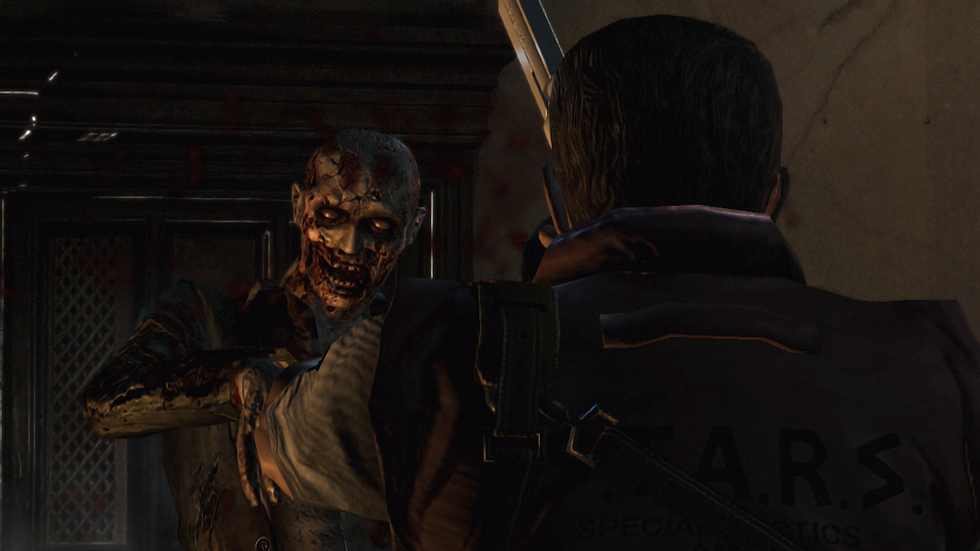
This past month saw the release of the hotly anticipated Resident Evil film created by Zach Cregger, an adaptation of the classic Capcom survival-horror game series. The reputation of films adapted from video games has historically been poor, especially the earlier Resident Evil films. In recent years, however, films such as Werewolves Within and the Sonic the Hedgehog trilogy have demonstrated that iconic games can translate successfully to the silver screen. Resident Evil (2026) has defied expectations, becoming one of the most acclaimed video game adaptations of all time. So why is this film getting so much praise compared to other adaptations? And does it live up to the hype?
Setting aside my love of the games and considering the film on its own terms, the whole thing is a blast. The hyper-linear story progression and tight 90-minute runtime make the film highly engaging. The escalation in horror, action and scale keep the film surprising, as the audience never knows what kind of freakish monster awaits around the corner. Austin Abrams single handedly carries the experience, delivering tension, relatability, tragedy and even comedy despite his gory journey through Raccoon City.
The film does occasionally falter by overusing this comedy, and there are moments where it slows itself down or loses tension in favour of a joke. The humour largely depends on the viewer, but the film largely balances laughter and fear well, allowing you to revel in the absurdity of the horrific monsters born from the T-virus. I watched the film alongside both long-time fans of the series and viewers unfamiliar with the games, and both appreciated the film greatly.
As an adaptation, however, the film presents a more complicated case. The prevailing fan backlash it faced, even well before its release, stemmed from its completely original plot, characters, monsters and concepts. There is no Jill Valentine, no Nemesis, no Wesker and really no recognisable Resident Evil imagery other than a few minor references. These changes majorly upset fans who expected a faithful retelling of the games, complete with the characters and monsters they love. Yet the film maintains its distance from the games.
So why do I, along with many other fans, believe that this is a creative adaptation? The qualities that make Resident Evil such an engaging franchise run much deeper than the names and faces within it: moving through tight hallways with a cramped camera angle, having to stress over your resources and having to decisively solve unusual puzzles with the little you have. These integral experiences captured by each player is what Director Zach Cregger tries to replicate in this film, as he told Polygon ahead of the film’s release.
The protagonist, Bryan, captures a deeper aspect of what a Resident Evil hero personifies. He represents the ordinary player and how an actual person who plays these games would react if dropped into this nightmare with no experience holding a gun, moving cautiously through every area, looking back to see if the enemy is still chasing them. Cregger intentionally uses the camera in a fascinating way to ensure that the audience has access to the same visual information as Bryan, keeping the focus fixed on his point of view and mirroring both the over-the-shoulder third-person and first-person perspectives familiar from the games.
Of course, many may still argue that this approach denies fans of the chance to experience the game again in a new medium with all the same plot points, characters and experiences that they know and love. But, ultimately the medium is what shapes the experience in the first place. When playing a Mario game, the satisfaction of saving the Mushroom Kingdom comes from the player’s own efforts to reach the end and save the day. Watching The Super Mario Bros. Movie cannot reproduce the same satisfaction due to the fact that the fundamental interactivity of video games cannot be replicated in film. Films play to their own strengths, creating cinematic narratives and plots with deeper themes to hook an audience. A Resident Evil film that tries to recapture the fear of escaping Mr. X would simply deliver a watered down version of the original playable experience.
The unique ways that Resident Evil (2026) adapts the core gameplay and player experience over the plot of the games lends to a different type of video game adaptation. It demonstrates to fans and critics alike that there is success in trying a new approach without relying on nostalgia or familiar content. The film functions both as a good Resident Evil story and a good horror comedy. I definitely recommend it whether you are a long time fan or a complete newcomer.
Edited by Joanne Baranga, Gaming Editor


Comments